

Every three to six months is the recommended frequency for how often to deep clean house to maintain a healthy and sanitary living environment. This schedule ensures that neglected areas like baseboards and behind appliances are thoroughly sanitized, though Rhode Island and Massachusetts homeowners with pets may benefit from more frequent quarterly cleanings.
Maintaining a pristine home often feels like a moving target, especially when the lines between daily tidying and intensive scrubbing begin to blur. For many homeowners, the lingering question is not whether to clean, but rather how frequently to address those hidden layers of grime that standard maintenance misses. Establishing a consistent schedule is vital for preserving your property’s value and ensuring a healthy living environment for your family. In this comprehensive guide, we provide expert clarity on the distinction between routine tasks and deep cleaning procedures. We will examine the specific factors that dictate your cleaning frequency, such as local New England weather patterns and household lifestyle. You will discover a practical room by room breakdown of tasks, along with the specific signs that indicate your home is overdue for professional care. By the end, you will have a clear, actionable roadmap for your household maintenance.
Deep Cleaning versus Routine Cleaning: Understanding the Difference
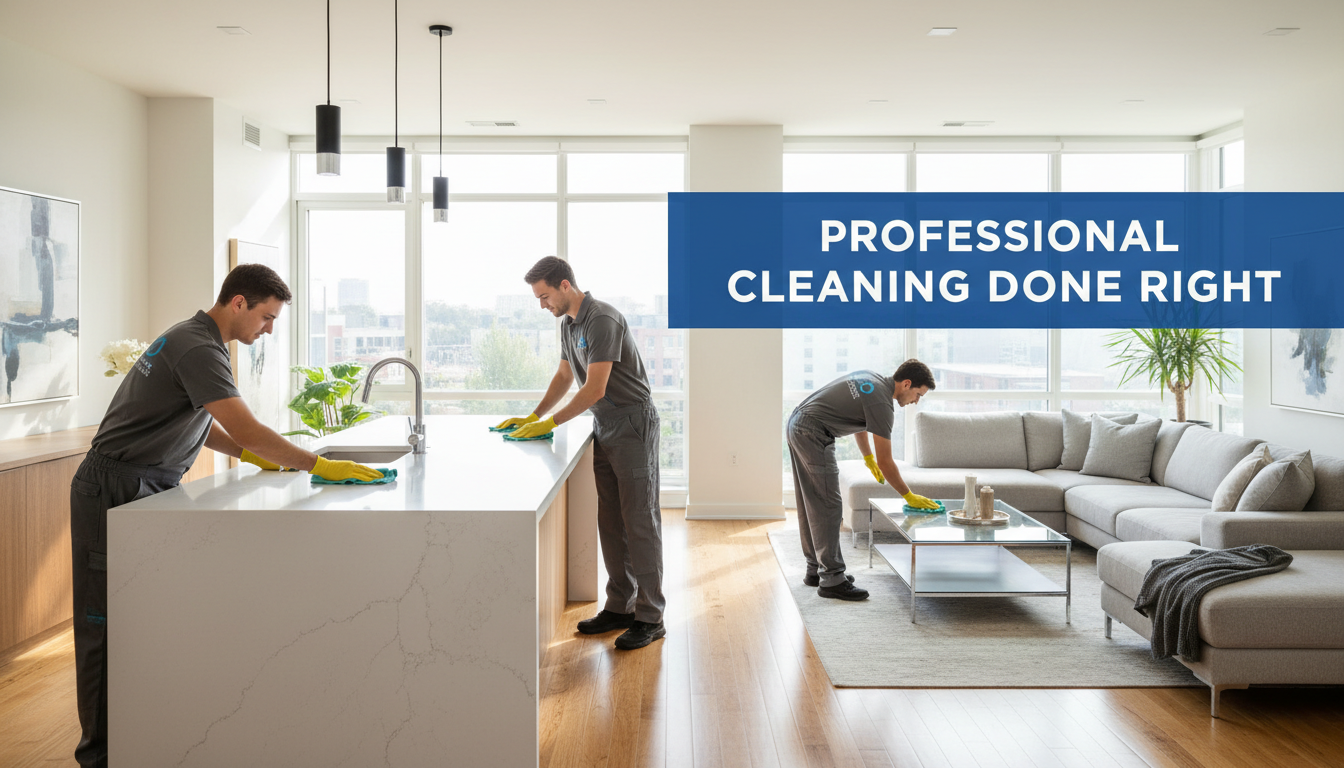
Distinguishing between a standard maintenance visit and a comprehensive restoration is essential for any homeowner. Routine cleaning serves as your primary line of defense against daily messes. It typically focuses on high-traffic areas and includes tasks like vacuuming floors, wiping down kitchen countertops, and basic bathroom sanitization. These sessions are designed to maintain a baseline level of hygiene and order throughout the week.
A professional deep cleaning, however, is a rigorous, top-to-bottom process that addresses the areas often neglected during a quick tidy-up. At Above & Beyond Cleaning LLC, we define this service by its intensity and technical detail. While a routine visit might take two hours, a deep clean requires a significant time investment and specialized skills to execute correctly. This involves scrubbing discolored grout lines, removing built-up grease behind and underneath heavy appliances, and hand-detailing baseboards and window tracks where dust tends to settle and harden.
Understanding professional deep cleaning services means recognizing the difference between surface-level aesthetics and true sanitization. When considering how often to deep clean house, remember that these intensive sessions require industrial-grade products and a methodical approach to eliminate allergens and grime that routine vacuuming simply cannot reach. By addressing these hidden zones, you ensure a healthier living environment that remains easier to maintain between scheduled visits.
General Guidelines: How Often Should You Deep Clean Your Home?
Determining how often to deep clean house depends largely on the occupancy density and daily activity levels within your living space. For most residential properties throughout Rhode Island and Massachusetts, the standard industry recommendation is to schedule a professional deep clean every three to six months. This frequency ensures that dust, microbial growth, and environmental pollutants do not reach a level where they compromise indoor air quality or cause premature wear on surfaces like upholstery, stone, and hardwood flooring.
Lifestyle factors are the primary driver of this specific schedule. A single professional working long hours in Boston who spends minimal time at home may find that a semi-annual service is perfectly adequate. With fewer occupants, the accumulation of skin cells, kitchen grease, and bathroom humidity occurs at a much slower rate, allowing for a six month interval. Conversely, a family of five living in a busy suburban household with multiple pets typically requires a quarterly deep cleaning. The increased foot traffic, presence of pet dander, and constant use of the kitchen and bathrooms necessitate more frequent, high-level attention to maintain a sanitary environment.
Choosing the right interval allows for a more efficient maintenance cycle. When you invest in professional deep cleaning services at these strategic intervals, your routine weekly tidy-up becomes significantly more effective. Instead of battling months of hardened grime or deep-seated allergens, your regular cleaning efforts can focus on surface maintenance, knowing that the structural and hidden layers of your home are addressed on a consistent, expert-led schedule.
Factors That Influence Your House Cleaning Schedule

While the standard three to six month interval serves many, certain environmental variables significantly accelerate the accumulation of contaminants. For households facing high-intensity usage, scheduling professional deep cleaning services every two months is often the most practical way to maintain a truly sanitary environment.
Pets are one of the most significant factors in this accelerated timeline. Beyond visible fur on carpets, pet dander is a microscopic protein that permeates soft surfaces and settles deep within HVAC vents and behind baseboard heating units. These areas become hidden reservoirs for allergens that routine vacuuming simply cannot reach. Similarly, for residents suffering from chronic allergies or respiratory sensitivities, a two month cycle ensures that particulate matter and dust mites are systematically removed before they reach levels that trigger symptoms.
The presence of young children also shifts your maintenance requirements. Toddlers and school aged children introduce a constant flow of organic spills, sticky residues, and external germs into the home. These substances can quickly become breeding grounds for bacteria if not addressed with professional grade sanitizing solutions. A deep clean at a higher frequency ensures that floorboards, high touch surfaces, and play areas are not just tidy, but fundamentally sanitized.
Finally, the specific architecture of New England homes in Rhode Island and Massachusetts plays a critical role. Older properties, common in historic areas of Providence and Boston, often feature intricate woodwork, plaster walls, and original floorboards with wide gaps. These historic features are prone to collecting dust and soot from aging furnace systems at a much faster rate than modern construction. When determining how often to deep clean house, residents in these vintage homes must account for the way these structures trap particles in hard to reach crevices. Adjusting your schedule to reflect these realities protects the longevity of your home’s interior and ensures a healthier living space for your family.
The New England Seasonal Deep Cleaning Cycle
In addition to structural factors, the distinct New England seasons dictate a specific rhythm for property maintenance throughout Rhode Island and Massachusetts. Our local climate introduces unique contaminants that change with the thermometer. During the spring, the primary focus is remediating the aftermath of a long winter. As heating systems cycle off, they leave behind a fine layer of soot and microscopic debris that has circulated through the ductwork for months. A comprehensive spring service removes this furnace dust from high ledges, door frames, and ceiling fans, refreshing the air quality before the windows are opened for the season.
Conversely, the transition into autumn requires a different strategy to handle the remnants of a coastal summer. After months spent traveling to Narragansett Bay or the Cape, homes often accumulate fine beach sand and high levels of local oak and maple pollen. These particulates settle into carpet fibers and floorboard crevices, where they act as abrasives if not professionally extracted. This Fall Prep is also the ideal time to schedule professional deep cleaning services before the winter months begin and the house is sealed against the cold.
Cultural traditions in the Northeast also influence the decision of how often to deep clean house. For families in Providence or Boston, the period between October and December typically involves hosting large holiday gatherings. Ensuring that guest rooms, dining areas, and kitchens are sanitized to a professional standard provides a clean slate for hosting and reduces the stress of holiday preparation. By aligning your maintenance with these local seasonal shifts, you address the specific environmental challenges unique to our region while ensuring your home remains a welcoming space for guests.
Room by Room Deep Cleaning Frequency
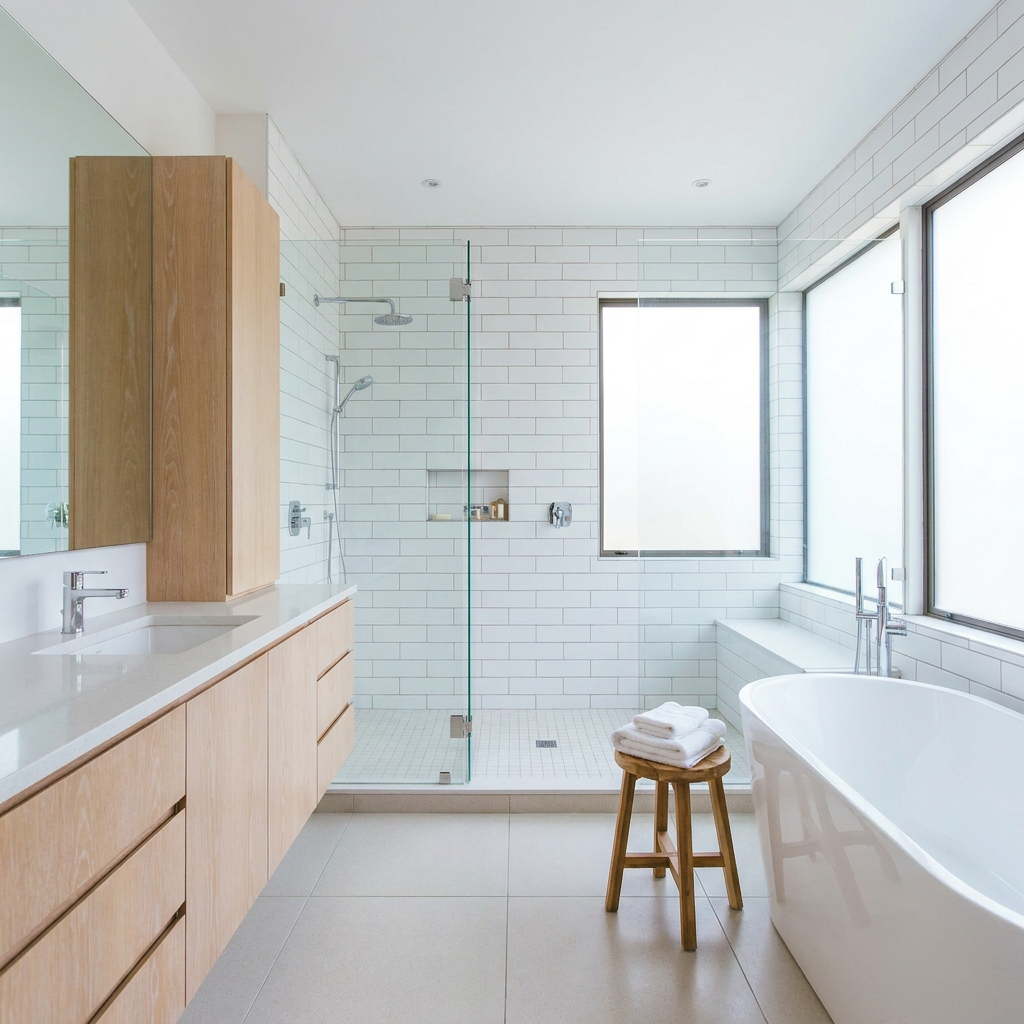
To maintain a truly sanitary environment, different rooms require specific attention based on their usage and biological load. In the kitchen, a 90 day cycle is recommended to combat the inevitable accumulation of airborne grease and food debris. A deep kitchen service focuses on detailing the interior of the oven and refrigerator, removing carbonized spills, and sanitizing shelves where bacteria can thrive. Above & Beyond Cleaning LLC technicians pay particular attention to degreasing cabinetry and backsplashes; these are tasks often overlooked during a routine wipe down.
Bathrooms demand a tighter two month schedule due to high humidity and the risk of microbial growth. This frequency allows for scrubbing porous grout lines, clearing dust from ventilation fans to ensure proper airflow, and sanitizing the neglected spaces under sinks. Living areas and bedrooms typically follow a semi-annual schedule. Every six months, residents should prioritize upholstery cleaning, clearing grime from window tracks, and dusting intricate lighting fixtures. For the bedroom, this six month interval includes mattress sanitizing and thorough vacuuming of closet floors to prevent dust mite buildup. Applying this granular approach ensures that no square inch of your property is neglected, providing a comprehensive standard of professional deep cleaning services that supports long term home health.
Five Clear Signs Your Home Is Overdue for a Deep Clean
Beyond a set schedule, observing the physical state of your surfaces offers the most direct evidence of a cleaning deficit. Recognizing these indicators helps homeowners move from general maintenance to targeted restoration.
Persistent Odors: If a faint smell of stale cooking, pet musk, or dampness lingers after you have scrubbed the kitchen and bathrooms, bacteria or organic particles are likely trapped in porous materials or behind heavy appliances where air does not circulate.
High-Level Dust Accumulation: Thick, gray blankets of dust on top of door frames, ceiling fan blades, or HVAC vents suggest that circulating particulates have surpassed what a standard vacuum can handle, requiring a top to bottom extraction.
Discolored Grout: When the lines between your bathroom or kitchen tiles transition from their original shade to a dark gray or yellow, it indicates deep seated moisture and biological buildup that standard surface cleaners cannot lift.
Indoor Allergy Triggers: Frequent sneezing, itchy eyes, or unexplained morning congestion often signal that dust mites, pollen, and dander have become deeply embedded in upholstery and carpet fibers.
Stubborn Baseboard Scuffs: When routine mopping no longer removes dark marks or oily grime from the perimeter of your rooms, the surfaces have accumulated a layer of bonded soil that requires specialized hand detailing.
Identifying these specific markers provides a practical answer to how often to deep clean house for your unique household circumstances. If multiple signs are present, scheduling professional deep cleaning services is the most effective way to reset your environment and prevent long term damage to your home’s interior finishes.